SECURITY CONFIDENTIAL
Security Confidential S1 E8 Dakota Rae

This week on Dark Rhiino Security’s Security Confidential podcast, Host Manoj Tandon welcomes Dakota Rae. Dakota Rae began her sales and marketing career as the youngest employee at the now #1 IT Security firm in North America, The Herjavec Group. Dakota was later published in Robert Herjavec’s best selling Novel “The Will to Win.” Many know Robert Herjavec as […]
Video
This week on Dark Rhiino Security’s Security Confidential podcast, Host Manoj Tandon welcomes Dakota Rae. Dakota Rae began her sales and marketing career as the youngest employee at the now #1 IT Security firm in North America, The Herjavec Group. Dakota was later published in Robert Herjavec’s best selling Novel “The Will to Win.” Many know Robert Herjavec as one of the sharks on Shark Tank. She later moved on to a mid-size tech integrator as Director of Strategic Accounts, where she sold the largest deal in the company’s 15-year history. Dakota started EQ (Equation Sales) in 2017 as she recognized a major gap in the industry for salespeople of the “hunter mentality.”
Swim with the Sharks and Thrive ft. Dakota Rae
Chapter Titles:
00:00 Intro
02:10 Working with Robert Herchevick
04:20 Roberts Mindset and Ethic
06:20 Sales Hunter vs Entrepreneur
10:00 Getting out of your comfort Zone
12:00 It’s okay to fail
15:30 Why Entrepreneurship
20:30 Women in business
24:00 Be Yourself
27:00 Luck
30:40 Entitlement
32:50 Soft Skills
37:20 Getting a Yes
39:45 Hard Questions
45:20 Contacting Dakota
Audio:
Spotify Embed: S1 E8 Swim with Sharks and Thrive
Important Links:
Connect with Dakota on LinkedIn
Transcript
Manoj Tandon: Hello everyone. Welcome to Security Confidential. This is Manoj Tandon. And today we have another very special guest, Dakota Rae. Dakota has been in sales and marketing for quite some time, and she has a great resume. She was the youngest employee at the now number one IT security firm in North America, the Herjavec Group. Dakota was later published in Robert Herjavec’s best-selling novel, The Will to Win. And for those of you for whom the name may not be familiar, Robert is one of the sharks on Shark Tank. So that’s quite an accomplishment.
And then Dakota later moved on to a mid-sized tech integrator as Director of Strategic Accounts, where she sold the largest deal in the company’s 15-year history. The firm was later acquired by MNP. Dakota started Equation Sales in 2017, as she recognized a major gap in the industry for salespeople of the hunter mentality. Equation Sales focuses on lighting revenue and reputation on fire for tech companies globally. Welcome to the show, Dakota. Glad to have you here. Fantastic.
Dakota Rae: Thank you for having me. Excited to be here. Let’s do it.
Manoj Tandon: Absolutely. We know you’re very successful because you, in fact, successfully sold us. So in full disclosure, we’re a client of Dakota’s and she’s been integral to the digital marketing program here at Dark Rhino. We’re just very glad that she’s with us and we’re very glad to have her here.
Dakota Rae: Fantastic. Yes, very happy to be here. Thanks for inviting me.
Manoj Tandon: Absolutely. So, Dakota, I gotta ask the question. I mean, you can’t bring up a name like Robert Herjavec and then not ask some kind of a celebrity-type question here.
Dakota Rae: Of course. No, go for it.
Manoj Tandon: What was it like working with him?
Dakota Rae: Sure. Robert—I mean, listen, as mentioned, I started my career at that company, and it was my first opportunity to learn anything and everything about business and, more importantly, about entrepreneurship, which I know we’re going to touch on a little bit today. Robert—if there was one word for me to describe Robert, it would be ruthless.
I don’t necessarily think people correlate that word with Robert based on the episodes of Shark Tank, where he’s very endearing. He absolutely is, but I think there’s another side of him, as there’s another side to all of us, where there’s a time for seriousness and there’s a time for play and fun. I think, in terms of why the business was able to grow as quickly as it has and why it’s now one of the market leaders, it is because of his approach to business and leadership.
He really led by example and was somebody who really pushed his team towards excellence. That was something that was embedded from day one. I learned a ton from him about work ethic. I remember a few scenarios of going into the office very early because I started my career in marketing there. Then I pivoted into sales pretty quickly because I realized that’s actually where the money is.
I pivoted there pretty quickly. But when I started in marketing, I was hosting events for the organization from a lead-gen perspective. I would go in early to set up some of those, and at six in the morning, I would go in and he would have already been in, went through emails, did a 5k run, and ate breakfast. So he was getting his day started quite early before any of us were rolling out of bed. That was something that I took away during my time at the Herjavec Group. He was a great guy to work with and to learn from.
Manoj Tandon: It’s good to see that the business is still thriving. Do you think that—you saw it firsthand with him—but maybe there were employees there that were a little bit more removed from him. Did his mindset and his ethic actually cascade down to other parts of the organization that may not necessarily interact with him?
Dakota Rae: It’s interesting you say that. I think for the folks who work there today—it’s now hundreds and hundreds of employees—I think they’re quite removed in some respects. But luckily enough, I was able to start at the business when I believe there were 22 people. I sat right outside of his office and I reported to him at one point directly. So I did get the opportunity to learn about the trickle-down effect right away, versus some of the other people who are a little more removed.
I think he was somebody who hosted these pretty impactful Q1, Q2, Q3, and Q4 kickoffs, where he would get up on stage and rally everybody together toward the common goal. That’s where at some points people thought some of the things he was doing didn’t make sense, or they were kind of controversial, or maybe we shouldn’t go down that route.
We were acquiring different businesses and people didn’t understand it, but I think the one other thing I took away from him was that he was going to do what he was going to do, regardless of how anybody else felt about it. I think that’s true leadership in a lot of ways, in the sense of going with your gut feel and knowing what’s right. It’s his name and business on the brand, so he’s going to do what he wants to do. You’re either in or you’re in the way. It’s kind of that simple.
Manoj Tandon: I can completely respect that. We have a few elements of that going on in our own company, but you’re absolutely right. Unless your name is on the door, it’s very hard to know what that is like.
Dakota Rae: Yes, exactly.
Manoj Tandon: And you know, that actually gets to a thing of mindset. You characterized yourself as a sales hunter. I think before this podcast I briefly mentioned I’ve had several sales jobs. Fortunately or unfortunately, I always ended up in that sales hunting role where it was always about net new business—trying to find fresh clients. I think that is one of the singularly hardest things to do in any organization. You have been a sales hunter and an entrepreneur. What do you think is the difference between the mindset of the two?
Dakota Rae: That’s a great question, and I think this is relevant for anybody in business, anyone who wants to be an entrepreneur, and anybody in sales. I think this topic is so important because being of the hunter mentality—I’ll kind of give an example for folks who maybe don’t know what we’re talking about.
From a sales perspective, when you’re looking to hunt down new logos or new business for the organization, there’s kind of two approaches: there’s something called farming, and there’s something called hunting. Farmers are people whom we potentially envied along the way.
Manoj Tandon: Very much so. I understand that was a cushy job and I always wondered how the heck do you get that gig?
Dakota Rae: Yeah, I’m not sure. You should do a really shitty job at hunting and then maybe you can get it.
Manoj Tandon: Maybe.
Dakota Rae: On the farming side, you’re kind of more of an account manager, where you’re meeting with clients. It’s more about relationship building, so to speak, and looking for existing opportunities. The hunter is knocking down new doors for new business, new logos, etc.
I always found that was an area that I did well in, but I think it goes back to my competitive nature. I played a ton of sports growing up at the national level, both rugby and basketball. I felt that, with that, I was a natural competitor. Being put in sales and then being told to either sit around or go out and get new business, naturally I fell into that bucket, and there was just more money in that bucket, so I went there.
In that respect, I think regarding hunting mentality and entrepreneurship, there’s a ton of similarities. People need to appreciate that being an entrepreneur is not a part-time job; it’s a full-time job. It’s a 24/7 job. It never stops. I think it’s one of those things that I learned early on. I’ll go back to Herjavec quickly: when I started there, I was taught that even within the organization, even as a salesperson or a marketing executive, I was an entrepreneur of my own book of business. I was responsible for my own book of business and was given the autonomy to do so.
I think that taught me and gave me the framework to venture off eventually and start my own business. I was given the opportunity where a lot of people, I think early on in their careers—whether it be in cybersecurity or IT or any other facet—maybe aren’t given as much autonomy. So I started in a pretty unique position. I’m thankful for that, but I think that has a lot to do with it as well.
Manoj Tandon: One thing I noticed as you were speaking is a fundamental, underlying common denominator that I hear—you haven’t said it, but I think it’s there—is that you’re very comfortable with getting out of your comfort zone.
Dakota Rae: For sure.
Manoj Tandon: Absolutely. Getting into a sales hunting role, which is a very uncomfortable position in many ways because you are on your own; you are very much on your own in that playing field. So being comfortable with getting out of your comfort zone seems to be a key character trait that might have lended itself to your success, and quite possibly something that other folks out there who are listening to this podcast should consider as part of their repertoire. Don’t go with the comfortable.
Dakota Rae: 100%.
Manoj Tandon: Try new things because the worst you could do is fail and then you move on. Well, that’s so easy to say, but that fear of failure and fear of rejection is a very self-limiting concept.
Dakota Rae: It is. I remember the first time I was given a book of numbers to reach out to and just dial for dollars. I had never cold called before—ever. I thought, “Oh my god, what if somebody hangs up on me? What if somebody tells me whatever?” I was nervous initially. Then my boss at the time just said, “Well, what’s the worst thing that could happen? They could hang up on you.” I’m like, “I know.” And they’re like, “Yeah, and then you dial and call somebody else.”
Just normalize failure and that it’s going to happen in some respects. It’s not about the kick in the ass, because you’re going to get kicked; it’s just about getting up and getting up quickly. That’s really what it’s about.
Manoj Tandon: That is absolutely a mindset to go with. You have to be willing to take that risk. It’s okay to fail. One of the things we have done at Dark Rhino is we don’t encourage failure by any means, but our team members can fail safely. If there is something that they want to try, or they really believe it’s the right thing to do for a client, by all means, propose it and try it. It may not always work, but you very likely could stumble upon something that is very meaningful. That is how we’ve actually built some of our service offerings.
We learned the hard way. We screwed some things up and we did some things amazingly well. The things that we did amazingly well, we looked at and thought, “Well, what are we doing here? Let’s build on that and forget about the other stuff.”
Dakota Rae: Exactly. Let’s look at our space in the tech startup/scale-up space. According to Forbes, almost 90% of startups fail. Why is that? Because they went for it; they tried something and gave it their all, and they pivoted. Maybe it didn’t work out, and they’re on to the next project.
I don’t know if people are as aware of that as maybe you and I are, because we’re in the space. The failure rate is high because it’s real. It happens.
Manoj Tandon: It very much does. But how much of that is actually warranted? When you look at a lot of the money that’s pumped into some of these businesses—the millions and millions—we’re bootstrapped, so I haven’t raised any money for my business. But when I think about all the millions of dollars out there that’s being flowed to some of these tech startups and scale-ups, why are they failing? Because they’re not using the money appropriately.
Dakota Rae: Money’s barely the issue—they get the money. It’s the know-how. It’s, to your point, where you are bucketing the money and how effectively the people behind those money decisions work. Where the rubber meets the road is exactly where you’re at. Is this something that clients are willing to pay for? Are you able to convince the market that they should buy your service versus competitor X? I think the last time I checked, there are over a thousand MSSPs in North America. That’s a lot of potential competition.
Manoj Tandon: Absolutely. Doing more of the same is going to probably put you into more of the same.
Dakota Rae: Exactly. I think understanding your differentiation—because there’s not a ton of IP out there where we’re creating something that’s never existed—but what’s your differentiator in terms of the value you bring? I know that, obviously in working with you folks, it’s really honing into the experience and the Dark Rhino experience in terms of what you bring to your clients.
As a unique differentiator, people are talking about the experience and the people behind the machine. Yes, cybersecurity is needed, and to your point, there’s a lot of companies they could buy it from. But why people go with Dark Rhino is because of the experience on the back end. Understanding that as a differentiation—I don’t know if people lean into that enough in terms of understanding what their key differentiators are.
Manoj Tandon: I would agree with you completely on that. So, I gotta ask: someone with your skill set, you could have gone on to a very successful career in sales. You could have said, “I want to go work at Microsoft, or Palo Alto, or IBM.” You have your pick, right? Why entrepreneurship? Why go from a steady paycheck to the potential of no paycheck at all? Because that’s actually a reality, right?
Dakota Rae: I wanted to make sure I understood the business before I ventured off and did anything. I always knew I wanted to have my own business. That was something I always felt. That became a bit truer as I spent time with very successful, seasoned entrepreneurs like Robert Herjavec, George Soumponis, who’s the co-founder of that business, and the other gentlemen whom I worked for after.
I went to a small company called NCI and helped that business grow. If the common theme there—if you haven’t caught it—was all of these successful gentlemen that I worked for; it was never a woman. I don’t know why that is, but that was the experience throughout my career.
I felt that leaning into the differentiation piece that I spoke to, there are not a lot of women in this space. I carved out a niche in terms of the hunter mentality in cyber, because there’s not a lot of women in cyber, as we know. I found a value prop where I could add value to companies who don’t necessarily have that skill set, and I just decided to go for it because I felt that I learned from the best. I took away what I needed to take away from it, and now it was time to do it for myself. That’s why I pivoted.
Manoj Tandon: For you to go out there as a woman, and as a hunter woman specifically on the sales and marketing side, that is an accomplishment and an achievement.
Dakota Rae: I didn’t really notice the “women in tech” or “women in cyber” thing. That didn’t become a reality for me until I started my own business. Here’s what I mean by that: in organizations I worked for, interestingly enough, the leadership I had never made me feel as a minority. They gave me the same amount of opportunities that my male counterparts were given.
So I never felt that, “Oh, I’m a woman, I’m disadvantaged,” or I’m not getting as much opportunity or they’re not taking me as seriously. That wasn’t true in the first part of my career. As I started my own business and started to venture off and have conversations with CEOs and founders of organizations to buy into my business, then the dynamics started to change a little bit. That’s when I started to realize, “Oh, okay. This is a bit of a disadvantage for me,” because before, it wasn’t true.
Manoj Tandon: Expand on that thought. What changed? What challenge do you face because of being a woman? What are some of the challenges you face that I might not face?
Dakota Rae: I think the major piece was as I dug into it. I think I was in senior roles as a Director of Sales for a certain patch or a certain geography, but it always dotted-line back to a man, in terms of a CEO or somebody who was leading the organization. The customer was still signing off on doing business with me, but there was that corporate, comfortable touch of a man that disappeared when I started my own business because I’m the CEO and founder.
That started to be something that wasn’t as prevalent, or isn’t as prevalent now that I’ve built more of a reputation. But when I first started, it was something that I could tell. I think naturally, in business, women aren’t taken as seriously for whatever reason. They’re just not taken as seriously as men, even though 63% or 64% of women-owned businesses are just as likely to IPO, get acquired, and succeed if given capital. But yet we’re not. So, I mean, I could go on and on, but we’re going to move on.
Manoj Tandon: We feel very strongly that there should be more representation of women and of other diversified groups as well. If you’re seeing that dynamic where there is a difference between men and women, how would you suggest to other women out there to maybe overcome some of these hurdles that they may encounter that their male counterparts won’t? What were your thoughts there?
Dakota Rae: There is a difference from a perception perspective. There’s a difference between how women and men are viewed in business. From a capabilities perspective, I don’t think there’s a difference. From an intellectual perspective, I don’t think there’s a difference. I think from a perception standpoint, there’s a difference in that women are seen as emotional, or can’t be in charge of large teams, or aren’t as good at critical thinking, which I think is completely false. These are just myths that float around.
People have bought into them, but if I could leave anything with women who are looking to advance their career, I would say a few things.
Number one: it’s important to actually be yourself and not try to fit into a mold of what you think you should do. I fell into that trap early on. It didn’t last long—it lasted maybe a couple of months where I thought, “Oh, I have to look this way, I have to dress this way, I have to talk this way because that’s professional and that’s what’s going to make people think I’m serious.”
But what I realized—and I learned this at the Herjavec Group—was that impact isn’t heard; it’s felt. So if you want to make an impact, let your actions show that you can add value, and then everybody will take you seriously. I leaned into that to say, as a woman, it’s getting it in your mindset to say: use being a woman as your advantage in cyber and in tech because there’s not a lot of you. So it’s already a differentiation.
Number two: less overcompensating in your own mind and more just showing your value and what you can bring to the table. In turn, that will make people take you seriously. I guess you’ll have to work a little harder than your male counterparts because you have to get over that perception wall, but once you show value, nobody cares. I don’t care if you’re green, yellow, 12, 16, 25—it doesn’t matter. If you’re showing value, you’re showing value. Let’s continue. I think that’s important for women to lean into: making sure that you’re showing value. Less talking, more doing. And once you do, then you’ll show everybody that you’re to be reckoned with.
Manoj Tandon: It’s very interesting that you independently make this comment because on last week’s podcast, we had Karen Huff on. Karen’s a CEO and she’s a very successful, best-selling author of Improv Edge. One of the tenets of her theme is that you should be very comfortable with yourself and be yourself.
Dakota Rae: Yes.
Manoj Tandon: If you are yourself—as uncomfortable as that may be to you because of what you described, you know, “I got to dress a certain way, act a certain way”—that’s not going to benefit you. But if you are yourself, it’s going to carry you a long way. I think maybe that is the first step in getting comfortable with being uncomfortable: exactly, first be yourself to begin with, because that may be uncomfortable for some people.
Dakota Rae: But I think just being your authentic self is important, because it’ll allow you to not have to carry on some kind of facade that eventually you’re going to get bored of, and people are going to call you out on it eventually because it can’t go on forever. So you should just 100% be yourself. And people who are interested in working with you or helping you will, and if they’re not, then they’re not. That’s okay, because there’s a lot more opportunity out there.
Manoj Tandon: Agreed. That’s a very, very positive way to look at things. I’m going to ask you: in this dynamic between men and women, especially as you are approaching a lot of other CEOs and executives out there, is there a difference in the way men and women negotiate?
Dakota Rae: I’ve always been somebody who, again, was given the platform to be myself, and then I leaned into that all the way. The way that I communicate or articulate myself is sometimes branded as “forward” or “direct,” whereas if a man were to communicate that way, it’s just like, “Oh, Johnny’s the best. He just sold the deal. He’s a great guy.” Where, if I do it, it can be perceived as something negative.
That’s where you have to get to a level with yourself to say, “I’m going to be who I am genuinely.” If people are attracted to that and they’re okay with that dialogue, then fantastic. If they’re not, that’s okay, too; we’re going to move on. But I’m not going to change the way that I communicate.
I think the perception is that women feel they need to be a little bit softer or a little more “hand-holdy” during the process because they don’t want to come off as being—I don’t know if I can say that…
Manoj Tandon: You can say that on here. Don’t want to be viewed as… You can say that on the show, that’s okay.
Dakota Rae: Being given that tag. I think it’s important to say, “Hey, if a man were to do that, would he be labeled?” No. So then I just have to continue on my path and bulldoze whoever out of the way if they don’t like it. That just is what it is.
Manoj Tandon: You’ve probably heard that old adage that entrepreneurship or business is 99% perspiration and 1% Lady Luck. Given what you have experienced, do you think that’s actually a real equation for success, or would you tilt things a little differently there?
Dakota Rae: Luck is one of those things that is a very controversial topic, because I’ve been called lucky a lot in my life by people who didn’t necessarily understand me or know my background or know my story. I’m not a big fan of the word “luck,” because I think that luck is one of those things that happens to people after the work’s been put in. You have to put in the effort and the energy and the work before luck comes. So I’m not a big believer in luck and fluff. That’s just my perception.
In terms of work ethic, I think people don’t understand the amount of effort and time that goes into building a business and into entrepreneurship. I think it’s kind of the sexy, fun thing to do right now, especially within a millennial group—and I can say that because I’m a millennial. I think it’s kind of the fun thing to do; it’s the cool thing to do, but people don’t truly understand what it actually means behind the scenes.
I think that’s a group of people on two sides. I’m experiencing this now, even bringing on people to my business. Throughout the summer, we had an internship program and brought people in. What’s interesting about the millennial group—and god love them because I’m a part of it—but oh boy, sometimes this special group has a very different perception of the workplace and of value than I do. I had the opportunity to grow up, from a work perspective…
Manoj Tandon: Please do tell in more detail.
Dakota Rae: This is a fun one for me, too. I had the opportunity, obviously working at the Herjavec Group and at NCI at such a young age, and coming up. I wasn’t given—the millennial thing wasn’t really a thing at that point, in terms of being aware of the tap on the shoulder and the validation and making people feel good and all of those fun things, which I think are important, but I don’t think they are 90% of the employer’s responsibility. This is my take on it:
I think millennials as a whole find validation important, promotion important, and pay increases at an exorbitant rate important. I think if I could give any advice to this millennial group trying to excel in their career or in entrepreneurship, it’s about adding value.
I never got a raise that I asked for—ever. I was given raises because of my work effort and the value that I brought to the table. In my career—and I’m not saying that’s for everybody—I’m just making it clear that when I showed value, I was being brought into the CEO’s office and given increases. It wasn’t the reverse.
I think that’s something the millennial group needs to be aware of. I’m not saying you need to copy that verbatim, but it’s important to show value to the organization that you’re working for before the “ask list” comes out. That’s something that I’m even having fun with within my own business.
Manoj Tandon: Well, I’ll say the politically incorrect thing here: do you think that there’s a sense of entitlement, maybe, in that demographic?
Dakota Rae: Completely. There’s a complete sense of entitlement within the millennial and the Gen Z groups. Again, I’m saying this as I am part of the millennial group—I’m in the mid-tier, so I feel good about saying this and living it, but I also am experiencing it as I start a business.
That group has to do themselves some favors and prove their value through their work. Bring something to the table before raising your hand and asking for additional things, because that in itself will be such a differentiator that the businesses you’re working for will naturally want you to excel and succeed because you’re less of a headache.
I was given a point of advice early on in my career: “Do you know how you’re adding value, Dakota? Do you know how you’re making life easier? It’s if you and I aren’t constantly talking and you don’t need my constant guidance; then you’re adding value to my life. But if I’m constantly talking to you, there’s a problem.”
Manoj Tandon: That’s a very good way to look at it. I actually hadn’t thought of it that way, but that is a new perspective.
Dakota Rae: If you’re saving people time, saving money, or saving headaches, then you’re doing well. I say this to some of the people that I bring on, too: it’s less about the tangibles and more about the intangibles for me. I can teach you how to A, B, C, D, and the list goes on, but I can’t teach you how to work hard, how to show up on time, and how to not be a headache. I can’t teach you those things. Those are core; either you have them or you don’t.
Manoj Tandon: What you are saying is exactly, pretty much to a T, some of the words that have been uttered in our board meetings. We can teach somebody a skill, but we can’t teach someone how to behave and have those soft skills of being likable, interactive, motivated, honest, and dependable. Either those skills are inside of you and they’re a part of who you are as a being, or they’re not.
In a high-tech business, especially as we’re maturing out of that startup stage now, we still don’t have the energy or the time as an executive team to micromanage everybody. It does become a huge effort if you have to micromanage someone. It’s not a fun place to be. You don’t want team members that you have to micromanage. You want people to be independent. If they can get that sense of direction and then go off on their own, rock and roll, then you’ve got a team. Now you’ve got a band, and you can make music and you’re going to be successful.
If you’re trying to manage every aspect of human behavior and interaction with your client set in the market, you’ll be exhausted and you’ll probably die before the finish line is ever reached. It’s just not going to happen.
Dakota Rae: I agree.
Manoj Tandon: You’ve described a few things here. “Impact should be felt”—that’s a key thing. “Add value.” “Be yourself.” “Be comfortable with tackling the uncomfortable.” “Failure shouldn’t be looked upon as an end-all and be-all.” If something goes wrong, it goes wrong; get up and move on. Then I look at the name of your company: Equation Sales. Give us a little insight: is this the “equation” in Equation Sales, or what’s the ideation behind this?
Dakota Rae: If I had the secret sauce to success, I’d be a multi-multi-billionaire with a B. I don’t have that today. But what we’re doing as a company is working toward a framework to solve what we call our clients’ effectiveness equation. To truly enable scale, you need some type of process in place, so that not just Dakota and Manoj can go and do it, but Sarah, Dan, Mike—everybody on your team—can go and do it.
How do you give them the resources to do that? It’s by learning quickly in a competitive marketplace. As you mentioned, there’s a million and one other MSSPs out there. So how do you learn quickly and pivot to gain market share?
At Equation Sales, what we’re looking to do is find what we call your “effectiveness equation.” E, effectiveness, equals what you’re saying to the market—your messaging, content, materials, and value prop—plus how you say it, the method of delivery—is it through email, call, LinkedIn, social, or a combination of all?—divided by the decision maker, meaning who you’re saying it to—is it Directors of IT, CIOs, CISOs, etc.? Then squared, meaning the cadence of how many touchpoints it takes to get a yes.
But equally, how many touchpoints does it take to get a no? No’s are also important, which nobody likes to talk about in sales. Getting a no is just as valuable to me, so that I can quickly pivot to get the yes. That’s what we’re doing for tech companies, specifically in cyber, because we have a skill set in cyber. That’s really what our focus is.
Manoj Tandon: Let’s trade some statistics here. How many touchpoints in your experience does it take to get a yes? I’ll share our real-world example with that.
Dakota Rae: For our business, we’re a sales and marketing company, so our outreach is fundamentally different than Dark Rhino’s would be. In general, in cyber, what we’re seeing across the board is about five to seven touchpoints to—let’s define a yes. Is it a yes to a meeting, or yes to signing a deal?
Manoj Tandon: Yes to signing a deal.
Dakota Rae: For a lot of our clients across the board, that’s like mid-teens—10 to 15 touchpoints. Here’s what I mean by that: starting at the beginning of the sales cycle—finding the lead list, reaching out to somebody, sending an email, doing a cold call, getting them on the phone or a LinkedIn message—and then you do a demo.
Here’s where a lot of companies go wrong in the demo process: I buy software all the time for our company, and oh my goodness, the dragging of the feet! I’m raising my hand saying, “I want to buy,” and the amount of procedural steps they make me go through! I have to do a 15-minute discovery call, then I have to do a 30-minute demo, and then part two of the demo with a sales engineer. They overcomplicate the process.
In cyber, obviously, some things are a lot more technical, so it might require those additional touchpoints. But where salespeople, particularly in cyber, go wrong is that they are reaching out to stakeholders—CIOs and CISOs—who are busy. Their dates could change the next day. It’s about setting the touchpoint while on the phone live with them, and saying, “Okay, we’re in this demo, but the next time we’re going to do a proposal review will be next Thursday. Does that work for you?” Book the time live, because if you get off and do the email back and forth, it drags.
Manoj Tandon: In our business, our experience has been, on average, it’s about 24 touchpoints.
Dakota Rae: 24? Okay.
Manoj Tandon: That is from the very beginning—from the first BDR action, whether that was an email sent or a call made.
Dakota Rae: Are you counting emails back and forth in that?
Manoj Tandon: Yes. I’m going to group emails on a particular topic, but typically we’ve seen 24. I think that we could actually take half a dozen steps out of that easily. I think part of that is salespeople are afraid to ask the hard questions because people don’t like hearing “no.”
Just today, this morning, I took a sales call from a company that does lead lists. There’s a billion of them out there. I took the call because the guy was very professional. He reached out to me on LinkedIn and said, “I get from looking at your website that this is kind of your customer space, and I think I have a unique approach for your customer space.”
So I took the call. We got to the endpoint where he had this PowerPoint deck, and I said, “Dude, I don’t have the time for this. I know you’re going to feel bad that your company went through all this trouble to create the logo and the PowerPoint, but tell me, get to the heart of this matter: if I do business with you, what will change for me tomorrow?”
He was not expecting that question.
Dakota Rae: Exactly. I love that question; that’s great.
Manoj Tandon: I said, “If I were you, I would have turned around and asked me some very difficult questions. ‘Hotshot, let’s have this conversation now.'” I would have opened the door to him, but it misfired a little bit. I think that is an example of sales people… I don’t know why. Maybe, again, it’s “Oh my god, what if they say no? I only have five sales cycles going and now I won’t have enough people.” But you’ve got to ask the hard, ugly questions as quickly as possible in the sales process.
Dakota Rae: I missed my first President’s Club my first year at the Herjavec Group. I missed quota, and it was devastating. I was so pissed off. I got to watch everybody go to the Dominican Republic—an all-expenses-paid trip—and I was like 15 or 12 points off of quota. It was something stupid, and I had deals in the pipeline to get me over.
Why I didn’t… when everybody came back tanned and excited in January, I sat down with my boss at the time, George, the co-founder of the Herjavec Group. We went through why I missed quota. It was very simple: I was afraid at the time to ask the hard questions. Why? Because I thought, “Oh, I don’t want to piss anybody off and I want them to like me.”
Now my approach is the complete opposite. I’ve leaned into this throughout my career for salespeople: if a prospect is interested in doing business with you and they’re serious, there’s nothing you can say to them—nothing outside of insulting them—that will deter them from doing business with you.
If you ask a question like, “Mr. Customer, can you sign this deal on Friday or Monday? What works better?” and they get pissed off, they weren’t serious from the beginning. So move on. It’s just understanding if somebody’s serious. If somebody’s serious about dating me, they’re not going to be pissed off that I asked them a simple question. If they drop you and move on, then they weren’t really serious anyway.
It’s important as a salesperson to ask those questions. Robert and we talked about it a lot: you’re a salesperson; they know you’re there to sell them something. It’s not a mystery. Sell it. Ask for the sale. If they say no, move on, because there’s a lot of opportunity out there. That’s something that stuck with me and why we’ve been able to grow as a business, because we’re not spending time with people who aren’t serious. We’re moving on.
Manoj Tandon: That is a very good bit of advice. Move the heck on. Having been a part of five different startups, I’ve seen a lot of companies that probably do themselves a disservice by having a sales team to begin with. They’re not ready.
Dakota Rae: I agree with you 100% there. Particularly in cybersecurity, companies are very eager to get the sales people in prematurely. I’ve seen this a lot with existing clients as well as prospects. Cybersecurity firms or tech firms have to, in some ways, eat their own dog food. You’re asking businesses to outsource their cybersecurity because it’s not their core competency. So, outsource your sales and marketing. It’s not core and integral to your business; you don’t need to bring it in-house, at least initially.
Over time, it’ll be appropriate as you bring in revenue, but you can outsource for cheaper and get somebody else to learn for you, so that when you do bring somebody in, they’re not banging their heads against the wall not knowing what to do. They’re actually actioning things. That’s where people go wrong.
From a sales and marketing perspective, a lot of the learning is time-consuming but needed. That’s what we take on for clients: that piece, so that when they’re ready, it’s like, “There you go.” I think that’s an area that’s required.
Manoj Tandon: Well, Dakota, you’re absolutely right, and we can personally comment on the fact that you do a good job of that. We’re appreciative of that. Any parting words or last thoughts for our listeners?
Dakota Rae: We talked today about entrepreneurship and women in business or women in cyber. I’ve been following Theresa Payton recently—I don’t know if you know who that is.
Manoj Tandon: I’m not familiar with her.
Dakota Rae: She’s the CEO of a company called Fortalice. She was the former CIO at the White House during the George W. Bush administration—a very senior person in cybersecurity. But you and I, pre-this call, were not very aware of her. Why is that? I think there are a lot of women in cybersecurity, but we’re maybe not as privy to the information because they’re not propped up as much.
I would say to women who are looking to get into cybersecurity: there are quite a bit of women in the space, so don’t be deterred by thinking, “It’ll only be me.” It’s becoming more prevalent. It’s a market that—let’s look at coronavirus as an example—cybersecurity is something that is recession- and pandemic-proof; it will never go away. It’ll only grow. What a time to be in cybersecurity! This is such a great industry in terms of growth opportunity.
Separately, I would just say, with only 7% of Fortune 500 CEOs being women in North America, there’s a long way to grow and a long way to go. I want to thank Dark Rhino for partnering with me at Equation Sales as a woman CEO and founder. You guys are allies and advocates for the fact that women can do what men do, too. I appreciate that, and I’m looking forward to continuing our work. Thank you so much for having me today.
Manoj Tandon: Well, thank you for being here. We’re going to put the connections to your LinkedIn profile and your company in the description.
Dakota Rae: Fantastic. Thank you so much.
Dakota Rae: I want to I want them to like me and you know all of these things where now I’m you know it’s the complete opposite of that in terms of my approach but I think when I look at you know what george said to me and I’ve leaned into this throughout my career for sales people is if a client is or a prospect is interested in doing business with you and they’re serious there’s nothing you can say to them nothing you can say outside of insulting them right there’s nothing you could say to them no question you could ask to deter them from doing business with you and if you ask a question like mr customer can you sign this deal on friday or monday what works better and they get pissed off they weren’t serious from the beginning and so move on and so that’s all it was it was like just understanding if somebody’s serious about doing business with me like if somebody’s serious about dating me they’re not going to be pissed off that I asked them a simple question right like if they’re serious they’re either they’re serious at all you would hope or if they’re if but if they if they if they drop you and they move on then you’re like ah that wasn’t really serious anyways who cares so I think it’s important as a sales person to to ask those questions that’s another thing robert we talk about a lot you’re a salesperson they know you’re there to sell them something it’s not a mystery like it’s not a mystery they know you’re there to sell them something sell it ask for the sale and if they say no move on like it’s because there’s a lot of opportunity out there and so I think that’s something that stuck with me and and why we’ve been able to grow as a business because we’re not spending time with people who aren’t serious we’re moving on and and I think that’s why
Manoj Tandon: I that is uh a very good bit of advice and move the heck on, exactly one of the things that I have seen at least now having been a part of five different startups, is that there’s a lot of companies that probably do themselves a disservice by even having a sales team to begin with they’re not ready for it
Dakota Rae: I agree with you 100 there and I think it’s one of those things particularly in in cyber security like I find this quite interesting because there’s very eager to kind of get the sales people in um I think prematurely and I’ve seen this a lot with our with existing clients as well as prospects and people in the industry that I know that have businesses I think it’s one of those things where cyber security firms are just tech firms have to in some ways you know eat their own dog food in that you know you’re asking businesses to outsource their cyber security because it’s not core to them it’s not their core competency so outsource um you know your sales and marketing and that it’s not core and integral to your business you don’t need to bring it in-house it’s not needed at least initially at least initially and over time I think it’ll be appropriate as you bring in revenue but I think that’s where they make a mistake and moreover you can outsource for cheaper and get somebody else to learn for you so that when you do bring somebody in they’re not banging their head up against the wall not knowing what to do they’re actually actioning things that’s where people go wrong and that’s where from from a sales and marketing perspective that’s a lot a lot of the learning which is annoying time-consuming but needed that’s what we a lot of what we take on for clients is that piece so that when they’re ready it’s like oh there you go and then we can work with you on other things so I think that’s an area that’s that’s required
Manoj Tandon: Well, Dakota, I mean that’s uh you’re absolutely right and I can at least we can personally comment to that fact that uh you do a good job of that so uh thank you appreciate it, we’re appreciative of that but any uh any parting words any last thoughts that you would wanna
Dakota Rae: Sure sure for our listeners yeah I think you know we talked about today in terms of entrepreneurship and women in business or women in cyber as well I think you know uh there’s a woman who I’ve been following recently uh, Theresa Paint, and I don’t know if you know who that is
Manoj Tandon: I’m not familiar with her
Dakota Rae: Okay so she’s the CEO of this company called Fort Alice she was the former cio at the white house during the George w bush administration so a very senior person in cyber security but you and I pre this call were not very aware of her and why is that I think there is a lot of women in cyber security but we’re maybe not as privy to the information because they’re not propped up as much and so I would say to women who are looking to get to cybersecurity I think there are quite a bit of women in the space so don’t be deterred by thinking oh it’ll only be me I think there are and it’s becoming more prevalent and it’s it’s a market that like let’s look at coronavirus as an example not to talk about it but just quickly cyber security in this industry is something that is you know recession and pandemic proof it will never go away it’ll only grow and what a time to be in cyber security um so I think if if there’s you know an industry that you were sitting down thinking about what I could potentially get into this is such a a great industry in terms of growth opportunity um and then separately I would just say you know with only like seven you know percent of of there being women ceo like heads of fortune 500 companies in north america only seven percent so there’s a long way to grow and a long way to go but I would say you know I want to thank obviously the folks at dark rhino for for uh partnering with me at equation sales as a ceo woman founder and I think you guys are you know and for from that cause um you know obviously uh allies and obviously advocates for and buying into uh the fact that women can can do what men do too and so I I appreciate that um and uh looking forward to you know continuing to working with you guys but uh yeah that’s it I just want you to thank you for the time and I think for anybody who wants to chat they can always connect with me on linkedin um and yeah thank you so much for your for having me today
Manoj Tandon: Well thank you for being here and we’re going to put uh the connections to your LinkedIn profile and to your company in the description
Dakota Rae: Fantastic, thank you so much
Check out the other episodes in Season 1:
Ep. 0 DRS Team – Cybersecurity Conferences
Ep. 1 Luis Martin – Artificial Intelligence
Ep. 2 Stefan Ludlow – Personal Responsibility in Cybersecurity
Ep. 3 Tyler Smith – C-Suite- How to fall in love with Cybersecurity
Ep. 4 Jordan Fulk – Bourbon and IT Talent
Ep. 5 Tyler Smith and Manoj Tandon – Zoombombing, Privacy, and Working from home
Ep. 6 Mitch Spaulding – Alternative Paths to a Cyber Career
Ep. 7 Karen Hough – How to build resilience, adapt to obsticles, and thrive
Ep 8. Dakota Rae – Swim with Sharks and Thrive
Ep. 9 Tyler Smith – Tips on Implementing EDR
Ep. 10 Chris Cazel – Learning Okta
About Dakota Rae
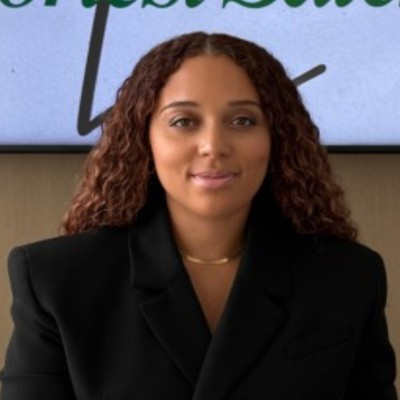
Dakota Rae is a well-known figure in the tech industry, having been a published author in the 2013 best-selling novel ‘The Win To Win’ by Robert Herjavec. With a background in International Business/Trade/Commerce from Seneca Polytechnic, Dakota has built a solid foundation for her entrepreneurial and sales strategist career.
Throughout her professional journey, Dakota has held key leadership positions in various organizations. She was the Former Founder and CEO of EQ, Former Global Head of Partnerships/Strategy at Gonez Media, Former Director of Strategy at MNP, Former Senior Sales Executive at The Herjavec Group, and Former Growth Marketing at The Herjavec Group.
Dakota’s expertise lies in working with innovative tech clients across Canada and the US to drive growth, increase revenue, and establish strategic partnerships. She is passionate about areas such as technology, IT security, medtech, fintech, SaaS, cloud services, software sales, and edtech. With a reputation as a true hunter in the industry, Dakota leverages her skills and experience to deliver value for her clients and partners.
About Us:
Dark Rhiino Security’s Security Confidential is a weekly Cybersecurity podcast where Host, Manoj Tandon, talks to Infosec and Cybersecurity professionals about the current issues going on in our industry. Guests are able to share their stories about how they began their journey into cybersecurity and connect with our audience. Listeners are able to tune in through Spotify, Apple Podcasts, Google Podcasts, Amazon Music, iHeartRadio, Youtube, LinkedIn, and more.
For inquiries, please email media@darkrhiinosecurity.com
Share and spread the word!
Original podcast listings
Archive source: Original website record. Original wording and artwork retained.