SECURITY CONFIDENTIAL
Security Confidential S6 E0 Why Do People Get Hacked?
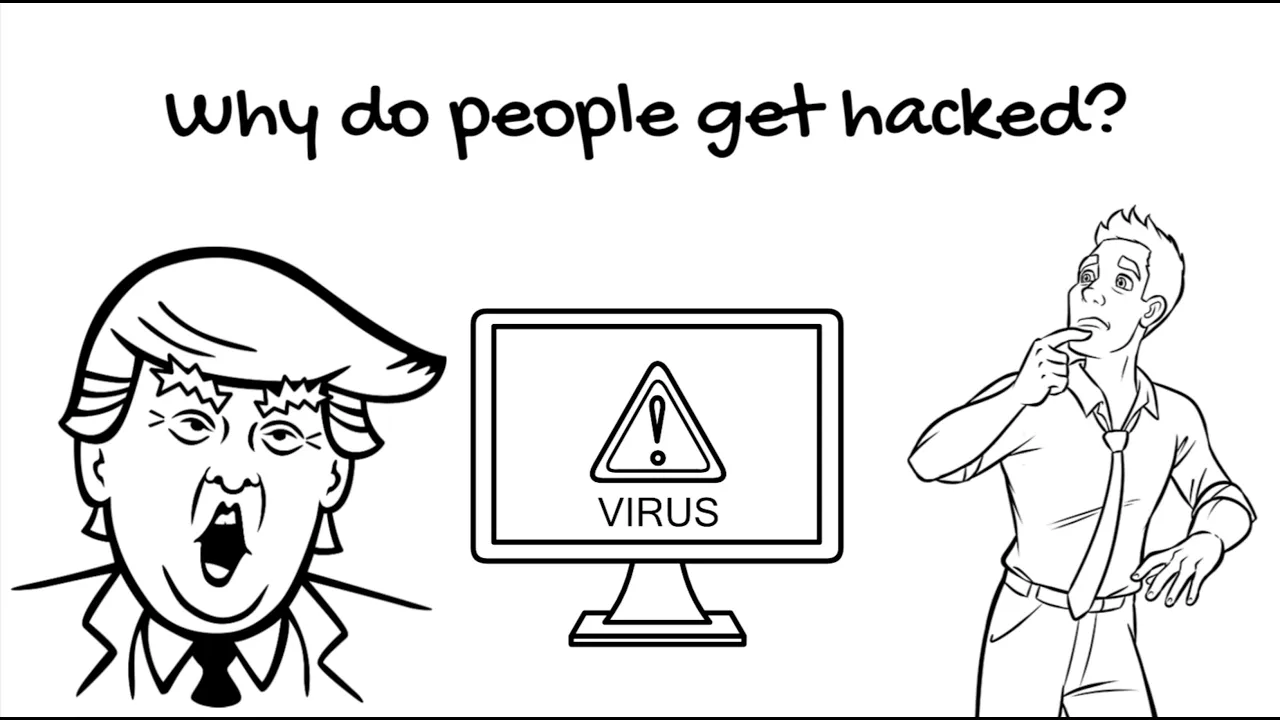
Cyberattacks are more common than ever, but most hacks begin with simple mistakes that users make every day. In this video, Dark Rhino Security breaks down the most common ways people and devices get hacked, from phishing emails and weak passwords to dangerous public Wi-Fi and outdated software. The discussion also explores how malicious apps, […]
Video
Cyberattacks are more common than ever, but most hacks begin with simple mistakes that users make every day. In this video, Dark Rhino Security breaks down the most common ways people and devices get hacked, from phishing emails and weak passwords to dangerous public Wi-Fi and outdated software. The discussion also explores how malicious apps, unpatched systems, and poor cybersecurity habits create opportunities for attackers. Most importantly, the episode provides practical steps individuals can take to better secure their devices, accounts, and personal information online.
Chapter Titles:
00:00 – Why People Get Hacked More Often Than They Think
00:20 – Human Behavior: Scam Emails and Weak Passwords
01:28 – Public Wi-Fi and Shared Computer Risks
01:58 – Dangerous Apps and Software Threats
02:31 – The Importance of Operating System Updates
03:08 – Five Practical Ways to Prevent Getting Hacked
Audio:
Spotify Embed: S6 E0 BONUS: Why Do People Get Hacked?
Important Links:
Transcript
Dark Rhiino Security: We see it and hear it all the time and on all platforms: “We’ve been hacked. We’re doomed.” Well, most people don’t have that reaction. You see, being hacked is an easy fix—just a password reset if you’re quick to catch it. But how did we get here in the first place? There are two types of behaviors to blame: human behavior and software behavior.
Starting off with human behavior, the top three most common reasons humans get hacked. Number one: scam emails. We’ve all questioned them at one point. Sorry, but you won’t be getting that Target gift card by clicking on that link. Those links that hackers send out are meant to trick us into clicking and getting our devices hacked immediately. If you’re ever in doubt, check the company’s website. Most companies will post that they do not contact people by email.
Second, passwords are too easy. One of the biggest reasons people get hacked is because their passwords are easy to guess. In fact, Donald Trump was hacked by a Dutch hacker in 2020 after the hacker guessed “maga2020” as his Twitter password. A lot of people use the names of pets or family members as passwords. The information we share online—especially birthdays, pet names, and family details—can easily be used against us by attackers.
Lastly, public places. We’ve all been to a library or coffee shop at some point. Maybe after a long day you forgot to log out of a public computer and your account was compromised. Another major issue is public Wi-Fi, which is a hacker’s favorite place to be. We rely on our phones for almost everything, and public Wi-Fi networks can expose your data and conversations if attackers gain access to the network.
Moving on to software behavior, starting with apps. Downloading apps that look sketchy can become a major problem, especially with games. Maybe you downloaded an interesting-looking game, but it wasn’t what it advertised. Instead of deleting it, you kept it installed. The developers of that app could now potentially have access to your phone and the information you put into it. Another issue is unwanted software installations. You may think you installed an antivirus program, but it could actually be malware installing additional software on your computer without your knowledge.
Lastly, and probably the most important issue: operating system updates. Hackers can exploit devices that haven’t installed the latest updates. In September 2021, Apple issued emergency software updates after researchers uncovered a critical flaw that allowed spyware from Israel’s NSO Group to infect iPhones, iPads, Apple Watches, and Mac computers without any user interaction. This spyware allowed governments, mercenaries, and criminals to secretly access someone’s device without the victim even knowing. How scary is that?
We’ve talked about human and software behavior when it comes to getting hacked. Now, how can you prevent yourself from getting hacked? First, enable two-factor or multi-factor authentication. This sends a text or email to verify account activity before changes can be made. Second, make your passwords stronger. Avoid using pets’, friends’, or family members’ names. You can also use a password manager to securely store passwords. Third, install antivirus software like AVG, McAfee, or Norton. Fourth, delete unused apps and read the fine print before downloading third-party applications. Fifth, always update your systems whenever a new update is released.
We hope you liked this video. Make sure to like and subscribe for more videos like this.
To learn more about Dark Rhiino Security visit our home page
Check out the other episodes in Season 6:
Ep. 0 Bonus: Why do People Get Hacked?
Ep. 1 Brian Stoner – VP of StellarCyber
Ep. 2 Dr. Joseph – Russia, Ukraine, and Cybersecurity
Ep. 3 Tim Chase – Ethical Hacker, CISO
Ep. 4 Brian Haugli – CEO of SideChannel
Ep. 5 Nat Schere – Cybersecurity as a revenue
Ep. 6 Endre Walls – Starting in Cyber, Vendors, and Diversity
Ep. 7 Erika Carrara – Veteran, Mentor, C-suite executive
Ep. 8 Eddie Thomason – Podcast Host, Author, and Entrepreneur
Ep. 9 Greg Schaffer – vCISO, Author, and Podcast Host
Ep. 10 Jake Belcher – Sr. Director of Security Strategy
About Us:
Dark Rhiino Security’s Security Confidential is a weekly Cybersecurity podcast where Host, Manoj Tandon, talks to Infosec and Cybersecurity professionals about the current issues going on in our industry. Guests are able to share their stories about how they began their journey into cybersecurity and connect with our audience. Listeners are able to tune in through Spotify, Apple Podcasts, Google Podcasts, Amazon Music, iHeartRadio, Youtube, LinkedIn, and more.
For inquiries, please email media@darkrhiinosecurity.com
Share and spread the word!
Original podcast listings
Archive source: Original website record. Original wording and artwork retained.